
Why Oil Prices Spike (and What It Means for Your Portfolio)
If you have been watching gas prices climb over the past few weeks, you are not alone. Conflict in the Middle East has disrupted shipping through the Strait of Hormuz, a narrow waterway between Iran and Oman that carries roughly one-fifth of the world's oil supply. That disruption is filtering through to prices at the pump, grocery store shelves, and investment portfolios. Understanding why oil prices react so sharply to these events, and how this situation differs from tariffs or sanctions, can help you make sense of what you are seeing in the headlines.
Oil Is Not Like Most Things You Buy
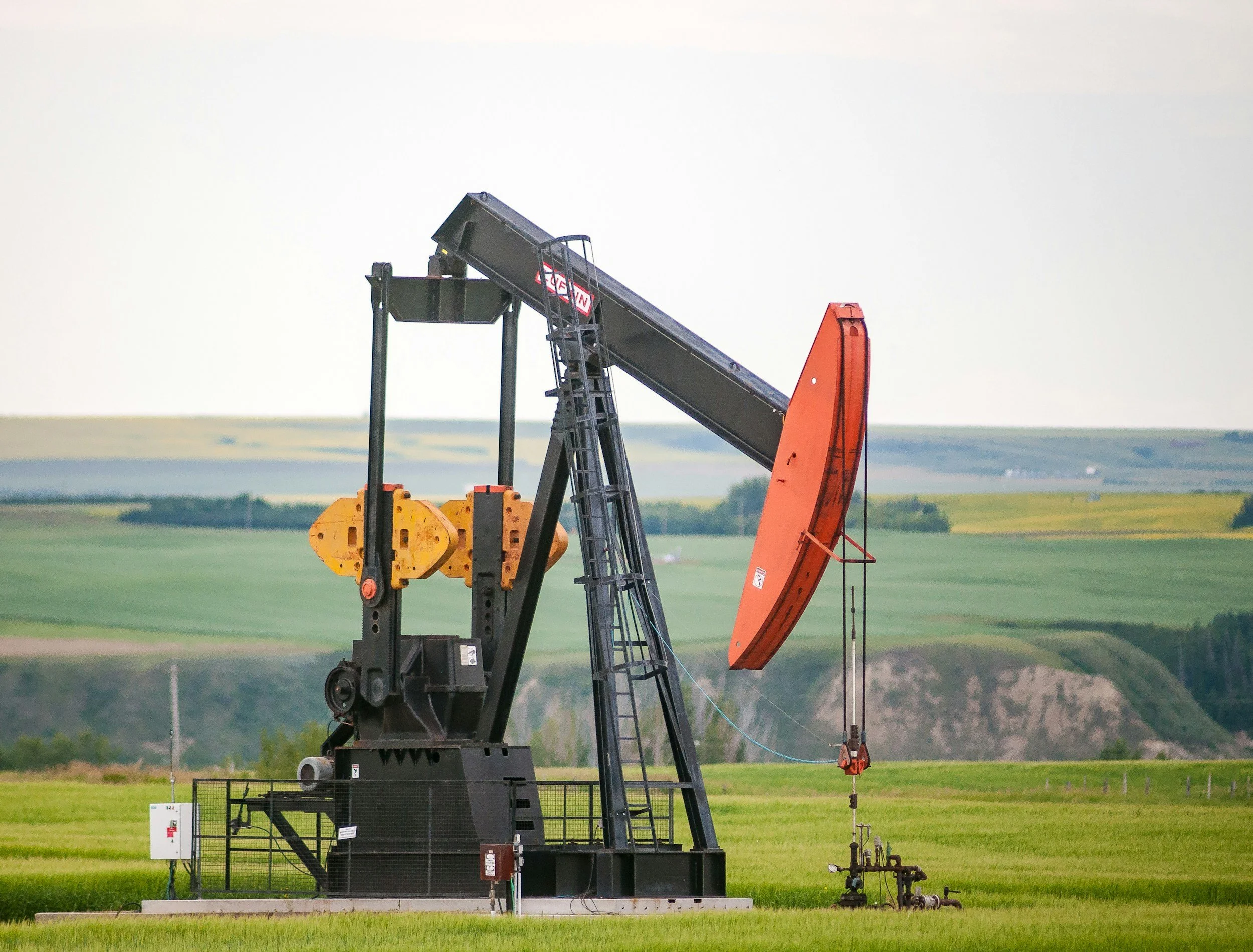
When the price of something like a streaming subscription goes up, many people cancel. When a particular cut of beef gets expensive, shoppers switch to chicken. Economists call that kind of responsiveness "elastic" demand. Oil is the opposite. It is one of the most "inelastic" commodities in the world, meaning that price changes do very little to alter how much people consume in the short term. You still need to drive to work, heat your home, and buy products made with petroleum (which includes everything from plastics to medicine to clothing). There is no quick substitute for most of those uses, so when prices rise, people largely keep buying. On the supply side, oil producers cannot flip a switch and ramp up production overnight. New drilling takes months or years. This combination of inflexible supply and inflexible demand is what causes prices to spike so dramatically when disruptions occur. Academic research suggests that when global oil supply drops, the price increase required to bring the market back into balance is many times larger than the supply reduction itself. A 10% supply cut does not produce a 10% price increase. Historically, it can produce a price increase of 50% or more, because the only way to rebalance the market is for prices to rise high enough that some consumers and businesses are effectively priced out.
How This Differs from Tariffs and Sanctions
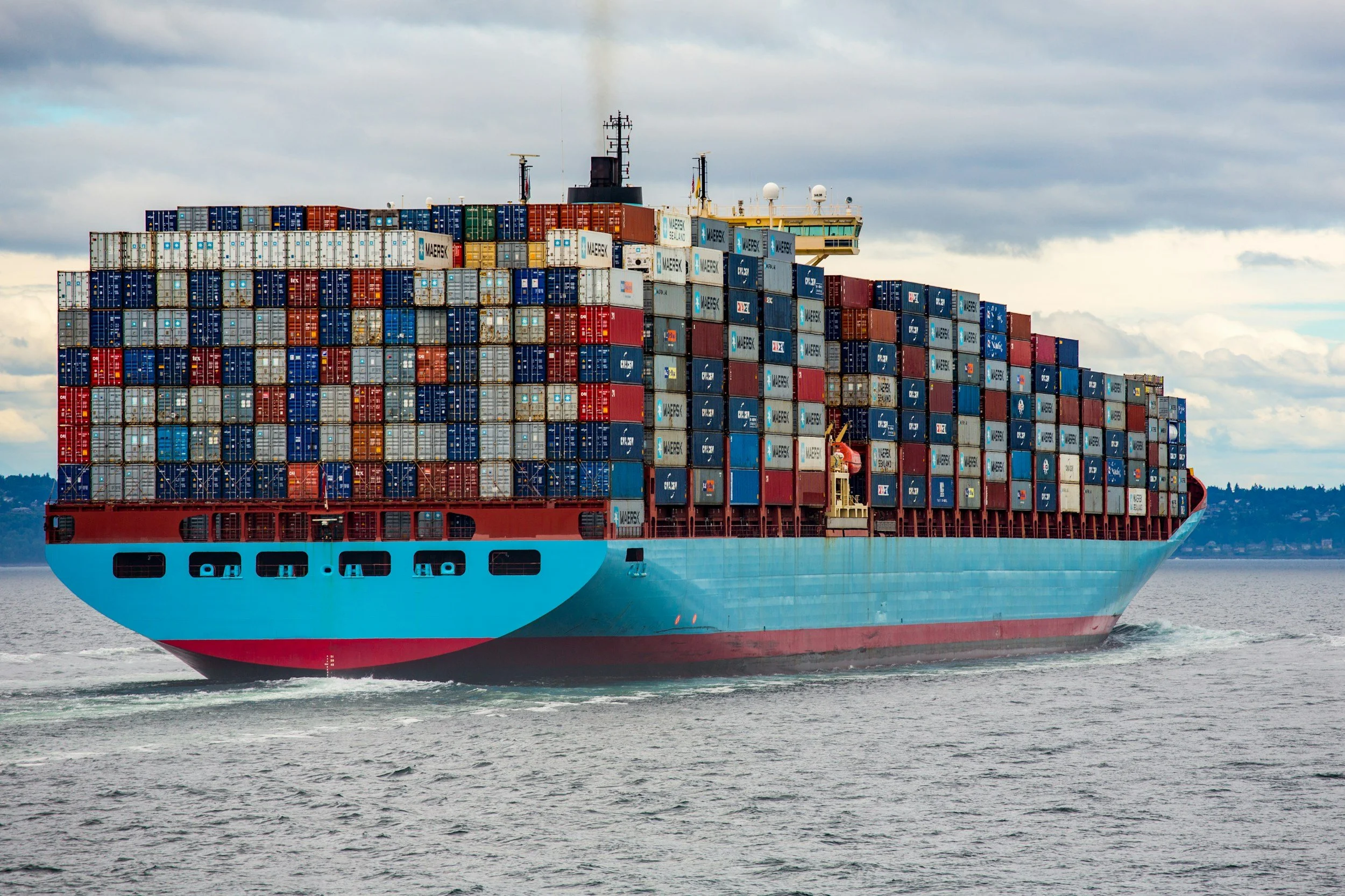
Tariffs raise the cost of imported goods, but they do not physically remove supply from the market. Buyers can shop around, negotiate, or source from domestic producers. The adjustment is painful, but it happens gradually through market competition. Sanctions, like the ones imposed on Russian oil after the 2022 invasion of Ukraine, restrict who can buy from a particular producer. But they do not necessarily remove that oil from the global market entirely. Russia continued producing and selling oil throughout its sanctions period, often through intermediaries or at discounted prices to willing buyers. The barrels still flowed, they just took different routes. The current situation is structurally different. A physical closure of the Strait of Hormuz does not just reroute oil. It prevents producers in the Gulf from exporting at all, because their storage fills up and they are forced to curtail production. Alternative pipelines that bypass the Strait can only handle a fraction of normal volume. The result is that supply is genuinely removed from the global market, not just redirected.
What This Means for the Economy
When oil prices rise sharply, the effects ripple outward. Transportation costs increase, which raises the price of nearly everything that gets shipped (which is nearly everything). Airline ticket prices climb. Manufacturing costs rise for businesses that rely on petroleum-based inputs. Consumers feel it most directly at the gas pump, but the broader impact shows up in grocery bills, utility costs, and the prices of everyday goods. For the broader economy, a sustained oil price shock creates a difficult environment. It pushes inflation higher while simultaneously slowing economic activity, because consumers have less money to spend on everything else. Economists sometimes call this combination "stagflation," and it presents challenges for policymakers at the Federal Reserve, who must weigh the competing goals of controlling inflation and supporting economic growth.
What This Means for Your Financial Plan
None of this changes the fundamentals of sound long-term planning. Markets have weathered oil shocks before, including the 1973 oil crisis, the 1979 Iranian Revolution, the Gulf Wars, and the 2022 Russia-Ukraine spike. Each time, prices eventually stabilized as markets adjusted and new supply came online. What episodes like this reinforce is the importance of building a plan that accounts for unexpected disruptions. Diversification across asset classes, maintaining appropriate cash reserves, and stress-testing your plan against scenarios like elevated energy costs are all part of that process. If you have questions about how current events might affect your specific situation, contact us for a complimentary analysis.
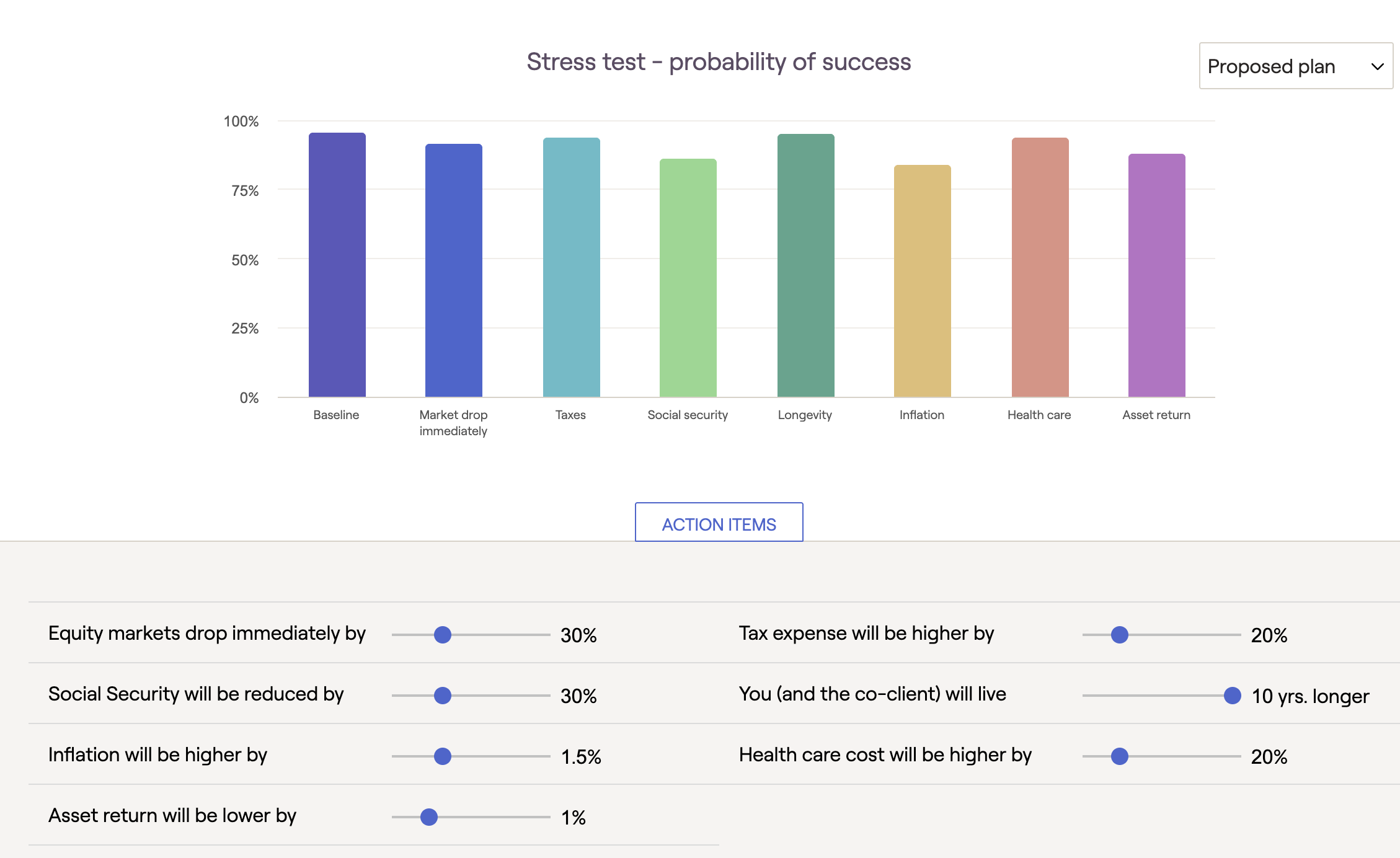
Does your financial plan deserve a second opinion?
The fast price swings in commodities will result in significant volatility in an investor’s holdings. Commodities include increased risks, such as political, economic, and currency instability, and may not be suitable for all investors. Rebalancing a portfolio may cause investors to incur tax liabilities and/or transaction costs and does not assure a profit or protect against a loss. There is no guarantee that a diversified portfolio will enhance overall returns or outperform a non-diversified portfolio. Diversification does not protect against market risk.